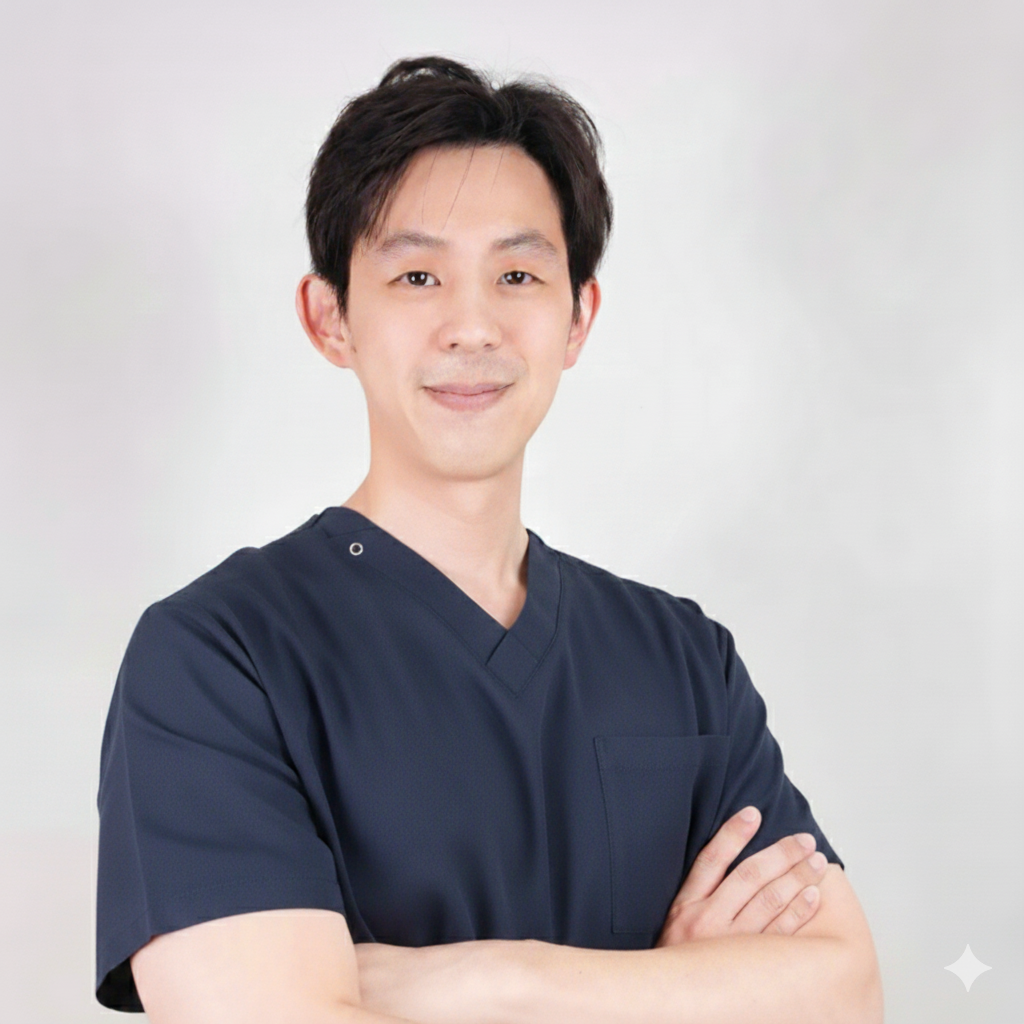
Tennis Elbow Treatment in Bangkok: A Physiotherapy Approach That Works
Tennis elbow is one of the most common causes of elbow pain I see in clinic—not just in athletes, but also in office workers, gym-goers, and even parents lifting their children.
Despite its name, you don’t have to play tennis to develop it.
In this article, I’ll walk you through what tennis elbow is, why it happens, and most importantly—how I treat it effectively at Bodytune Physiotherapy.
What is Tennis Elbow?
Tennis elbow, medically known as lateral epicondylitis, is a condition involving pain on the outside of the elbow. It is usually caused by overuse of the forearm muscles, especially those responsible for gripping and wrist extension.
Common symptoms include:
Pain on the outer elbow
Weak grip strength
Pain when lifting objects or twisting (e.g. opening a jar)
Discomfort during sports or gym exercises
Why Does Tennis Elbow Happen?
One of the biggest misconceptions is that tennis elbow is just about inflammation.
In reality, it is often due to repetitive overload without adequate recovery, leading to tendon irritation and degeneration.
From my clinical experience, the root causes usually include:
Poor movement mechanics
Overtraining or sudden increase in activity
Muscle imbalance or weakness
Lack of recovery between sessions
This is why simply resting or using painkillers often doesn’t solve the problem long-term.
How I Treat Tennis Elbow at Bodytune Physiotherapy
My approach focuses on two key principles:
Relieve pain effectively
Address the root cause to prevent recurrence
1. Understanding Your Condition
Every treatment starts with a detailed assessment to identify:
Pain location and severity
Movement limitations
Contributing lifestyle or sport factors
This ensures that treatment is tailored specifically to you.
2. Pain Management Phase
To reduce pain quickly and effectively, I combine several physiotherapy techniques:
TECAR Therapy – helps accelerate tissue healing and reduce pain
Active Release Techniques – to relieve tight muscles and tendon stress
Joint Mobilisation – to improve elbow and wrist movement
K-Taping – to support the tendon and reduce strain during daily activities
3. Load Management (Very Important)
One of the most important parts of recovery is deloading.
This means:
Temporarily reducing intensity of activities
Avoiding movements that aggravate the pain
Allowing the tendon to recover properly
Without proper load management, symptoms often return quickly.
4. Strengthening Phase
Once pain begins to settle, we introduce targeted strengthening exercises.
A simple but effective example:
Towel twisting exercise – helps rebuild tendon strength and forearm endurance
These exercises are progressive and adjusted based on your recovery.
5. Gradual Return to Sport
If your pain improves (usually by the 3rd session), we begin a structured return to activity:
Start at 50–70% intensity
Monitor symptoms closely
Reassess in each session
Gradually increase intensity based on tolerance
This step is crucial to avoid re-injury.
How Long Does Recovery Take?
With the right treatment and compliance:
Most patients experience significant improvement within 3 sessions
Pain is often resolved within 5 sessions
Of course, this depends on severity and how long the condition has been present.
Final Thoughts
Tennis elbow is highly treatable—but only if you address both the symptoms and the root cause.
If you’re currently dealing with elbow pain, don’t ignore it or push through the discomfort. Early treatment leads to faster recovery and better long-term results.
Looking for Tennis Elbow Treatment in Bangkok?
If you’re experiencing elbow pain or suspect tennis elbow, feel free to reach out.
At Bodytune Physiotherapy, we focus on:
Fast pain relief
Root cause treatment
Safe return to sport and activity